
💻 AI & Automation in Marketing: How Smart Marketers Are Scaling Faster, Smarter, and With Higher ROI

Introduction: The New Era of Intelligent Marketing
Marketing has changed more in the last three years than it did in the previous decade — and the force behind that transformation is Artificial Intelligence and marketing automation.
What once required large teams, time-consuming workflows, and manual analysis is now powered by AI tools that:
- analyze customer behavior
- automate repetitive tasks
- personalize messaging at scale
- optimize campaigns in real time
According to Salesforce’s 2024 State of Marketing Report:
69% of marketing leaders say AI has dramatically increased their team’s productivity, while 75% believe AI-powered personalization directly increases revenue.
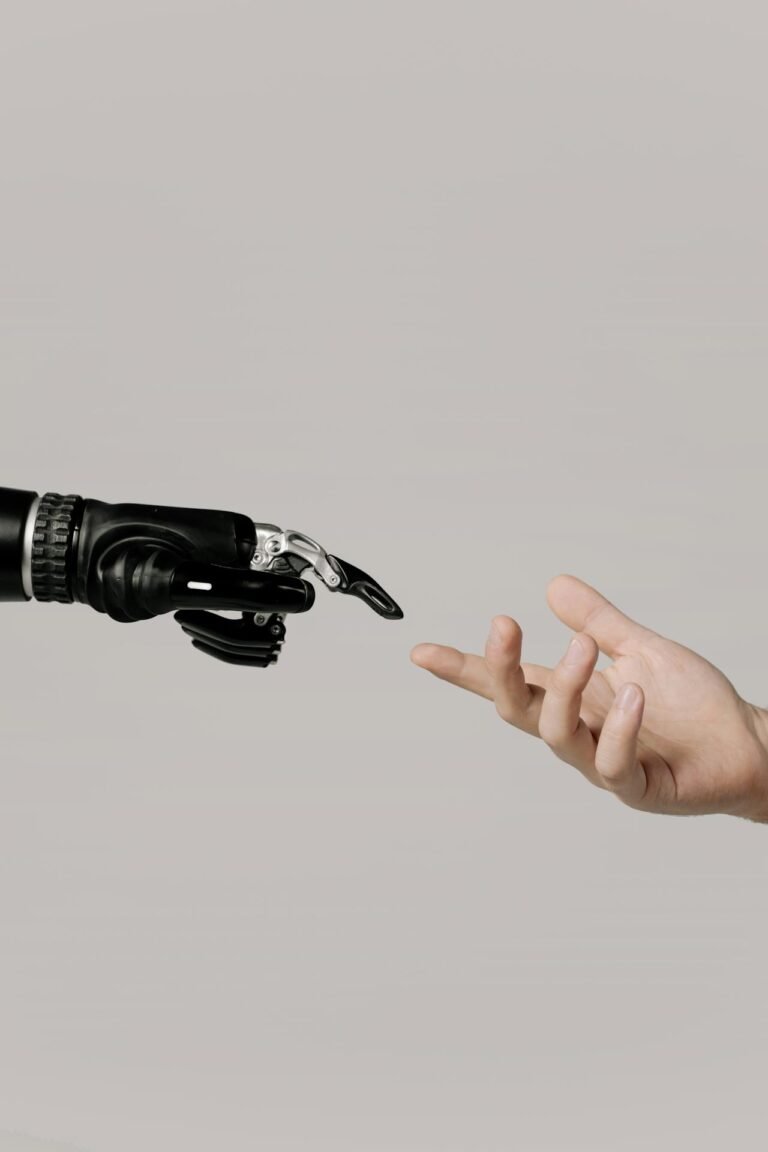
AI isn’t replacing marketers — it’s empowering them.
Those who embrace AI and automation will outperform competitors.
Those who resist will fall behind quickly.
1. What AI Really Means for Modern Marketing
AI in marketing refers to technologies that simulate human intelligence to perform tasks such as:
- content generation
- customer segmentation
- predictive analytics
- personalization
- chatbots
- ad optimization
This allows marketers to shift from manual execution to strategic decision-making.
Marketing Automation vs. AI
Although related, they are different:
- Marketing Automation: rule-based systems that execute tasks (emails, workflows, triggers).
- AI: learns from data and makes decisions autonomously.
Combining both creates a powerful engine for customer acquisition and retention.
2. How AI Is Transforming Key Marketing Functions

A. Content Creation & Idea Generation
AI tools like ChatGPT, Jasper, and Grammarly Business help marketers create:
- blog posts
- ad copy
- email sequences
- social media posts
- video scripts
Real Example:
HubSpot reports teams using AI for content production create deliverables 2–3x faster without sacrificing quality.
B. Hyper-Personalization at Scale
AI analyzes thousands of data points to deliver personalized experiences.
Examples:
- Netflix uses predictive algorithms to recommend shows.
- Amazon makes personalized product suggestions based on browsing + purchase history.
- Spotify curates personalized playlists and recommendations.
When marketers apply similar personalization to campaigns:
- click-through rates improve
- conversions increase
- customer loyalty grows
Expert Insight:
McKinsey reports companies that excel in personalization generate 40% more revenue than those that don’t.
C. Customer Segmentation & Predictive Analytics
AI clusters customers automatically using behavioral, demographic, and psychographic data.
It predicts:
- purchase probability
- churn likelihood
- lifetime value
- optimal next-step messaging
Case Study:
Starbucks uses its “DeepBrew” AI engine to analyze customer behavior and personalize drink recommendations. This personalization has helped Starbucks grow its Rewards membership to over 30 million active users.
D. Chatbots & Customer Support
AI-powered chatbots are now capable of:
- answering FAQs
- recommending products
- booking appointments
- assisting with troubleshooting
They reduce response time, increase satisfaction, and save support teams hours.
Data Insight:
Gartner predicts that 75% of customer interactions will be handled by AI by the end of 2025.
E. Advertising Optimization
Google, Meta, and TikTok algorithms use machine learning to:
- distribute ads
- optimize budgets
- improve targeting
- identify high-performing creatives
AI automatically learns what works and doubles down on it.
Example:
A DTC brand using Meta’s Advantage+ campaigns reported a 32% lower cost per acquisition due to real-time AI-powered optimization.
3. Practical Ways Marketers Can Use AI Today
✔ 1. Automate Email Marketing Workflows
AI tools like Klaviyo, ActiveCampaign, and HubSpot automate:
- welcome sequences
- cart abandonment emails
- customer re-engagement
- product recommendations
These workflows increase conversions without additional effort.
✔ 2. Use AI for Market Research & Competitor Analysis
Tools like Semrush, Ahrefs, and SimilarWeb analyze:
- keyword opportunities
- traffic sources
- competitor strategies
- industry trends
This research once took days — now it takes minutes.
✔ 3. Generate Content Outlines, Drafts & Variations
AI helps with idea generation, but humans refine and add expertise.
This hybrid approach ensures speed + quality.
✔ 4. Automate Social Media Posting
Tools like Buffer, Later, and Hootsuite schedule and optimize posts based on peak engagement.
Some platforms even generate caption ideas and hashtags.
✔ 5. Predict Customer Behavior
Use AI-driven CRMs to identify:
- who is likely to buy
- who might churn soon
- what products will trend next
This allows smarter, data-backed decisions.
4. Case Studies: AI Success Stories from Leading Brands
Case Study 1: Coca-Cola’s AI-Driven Creative Campaigns
Coca-Cola launched “Create Real Magic,” letting fans use AI to design ads.
The campaign generated massive user engagement and brand loyalty, proving AI’s role in co-creation.
Case Study 2: Sephora’s AI Beauty Advisor
Sephora uses AI to recommend products based on skin type, color match, and prior purchases.
This level of personalization boosted online conversions significantly.
Case Study 3: Zillow’s Predictive Home Recommendations
Zillow uses AI to predict home values and match users to properties they are statistically likely to click or save.
This predictive matching increases platform engagement and ad revenue.
5. Key Considerations for Ethical & Effective AI Use
✔ Human Oversight Is Essential
AI accelerates creation but cannot replace:
- creativity
- empathy
- ethical judgment
- branding nuance
Human + AI > AI alone.
✔ Transparency Builds Trust
Customers value knowing when AI is being used in communication.
✔ Guard Against Bias
AI can inherit biases from existing datasets.
Diverse data and human review safeguard fairness.
✔ Focus on Data Privacy
Marketers must comply with:
- GDPR
- CCPA
- Other data protection laws
Responsible data use ensures long-term trust and brand integrity.
Conclusion: AI Isn’t the Future of Marketing — It’s the Present
AI and automation have moved from optional tools to essential components of successful marketing strategies.
Marketers who embrace AI will:
- work faster
- make better decisions
- personalize at scale
- build stronger customer relationships
- increase their ROI dramatically
But the most successful marketers will be those who combine AI’s speed with human creativity and strategic thinking.
AI isn’t replacing marketers.
It’s empowering them to become 10x more effective.
🎯 Call to Action
Ready to start integrating AI into your marketing workflow?