

How Brands Go Viral on Social Media: Strategies That Actually Work

Introduction
Viral Dreams (and Reality)
Every company dreams of having a viral post; one that’s viewed by millions; one that puts them on everyone’s lips—turning an unknown company into a company people are talking about. Virality, however, is not based solely on luck or timing as most overnight successes have been the product of intentional strategies, a depth of audience understanding, and creative risk taking.
The key to going viral in today’s online world is not only about following the trends but also about understanding the psychology of humans; i.e., why do people share? What makes something and/or its content able to stick in the minds of its audience? How consistently can marketers increase their likelihood of going viral?
The following article discusses how brands successfully cultivate viral moments on social media by using examples from the real world, insights from industry professionals, and implementing tips to create viral moments today!
1.Emotional Impact: Shareable Content
Every viral post has an element of emotion; data indicates that the greater the degree of positive, high-arousal emotion the greater the chance of the content being shared. High-arousal emotions include awe, humor, surprise, and anger.
For example:
The company posted a heartwarming story about the positive impact of its products on customers → created an emotional bond with viewers
The company posted a funny, relatable meme → created an emotional reaction, and allowed them to connect with their friends by tagging them in it.
Case Study:
A campaign that featured a simple story about kindness produced millions of monthly shares in part because it gave the viewer a sense of private meaning and had the result of turning a passive viewer into an active sharer due to the emotional resonance of the content.
Actionable Tip:
Prior to posting, ask yourself: What feeling will my audience experience as a result of my post? How likely will my audience share my post?
2.Simple + Relatable = Widely Loved
Viral Content should be easily understandable in immediately relatable; if it takes too long to understand, it won’t share widely.
Examples:
Short videos that highlight common struggles people face every day (example: work, relationships, money.)
Simple, clear visuals with little text.
How & Why It Works:
People only share the things that represent them or something that has happened to them; when someone thinks, “That’s just like me,” there is a strong possibility that they will hit ‘Share’.
Actionable Tip:
Use everyday language
Only use one single message per post
Design for quick consumption (especially mobile first).
3.Timing with Trends
Jumping onto Trend can increase your reach, but it will only happen if done authentically and quickly.
Example:
When brands respond to trending hashtags, memes, or cultural events within 1 hour of them happening, those brands often experience exponential engagement.
Expert Opinion:
Marketing analysts often say that “Speed beats perfection” when looking to achieve virality on social media; a post that is slightly not polished but is timely can outperform a post that is very well polished but was released late.
Actionable Tips:
Daily tracking of trending topics.
Set up a content “Rapid Response” system.
Ensure you are aligned to the trend with your brand’s voice.
4.The Importance of Storytelling in Marketing

People share stories more than they will share a brand advertisement.
For instance; instead of: “Our product is great; you should buy one!” try: “This is how this product has changed a customer’s life.”
Case Study:
A fitness company went viral by showing real stories of how customer’s lives were impacted, rather than using traditional advertising techniques. Because customers were able to relate to the journey that created the transformation; they engaged in record numbers.
Actionable Tip:
The content format should be written like a story by following this structure: 1) Problem, 2) Struggle, 3) Resolution, 4) Emotional Impact.
5.Create Culturally-Correct Content for Each Social Media Platform
Every social media platform has a unique brand language; what works on one won’t necessarily work on another.
Examples:
TikTok/Reels – Consumer Attraction; Creative; Non-Traditional
LinkedIn – Inspirational; Professional Brand Building
Twitter/X – Sharp; Witty; Short-Tail
Data Point:
The highest engagement levels and reach levels were recorded with platform-native content versus re-posted content.
Actionable Tip:
To maximize results; customize the content when exporting from databases or different social platforms versus using the same format across social platforms.
6.Community Engagement and User Participation
When your audience engages more with your content, your audience is more likely to share and spread your content.
Examples of Engagement:
Challenges (dances, hashtags)
Polls, Duets, Remixes
User-Generated Content (UGC)
Case Study:
A brand launched a simple challenge for people to recreate a moment in time using their product. Thousands of people participated and became advocates for the brand.
Take Action:
Create Content that is Replicable
Encourage Tagging, Sharing, and Remixing
Feature Consideration for User Content in your Brand Will Create Loyalty
7.Authenticity Triumps Perfection
Highly polished content is not always the ‘winner’. Highly produced posts can come across as unauthentic.
Example:
Content created Behind-The-Scenes, Raw Reactions and Unfiltered Moments are not only engaging, but Exciting and can drive Business as they outperform Studio Quality Commercials.
Expert Opinion:
Modern Customers are more likely to Share Information about Your Brand based upon Trust rather than being Perfect.
Take Action:
Show the Human Side of Your Brand
Don’t Over-Edit Your Video Content; Keep Your Content as Natural as Possible
Be Transparent and Honest
8.The First Impression and Hook is Critical
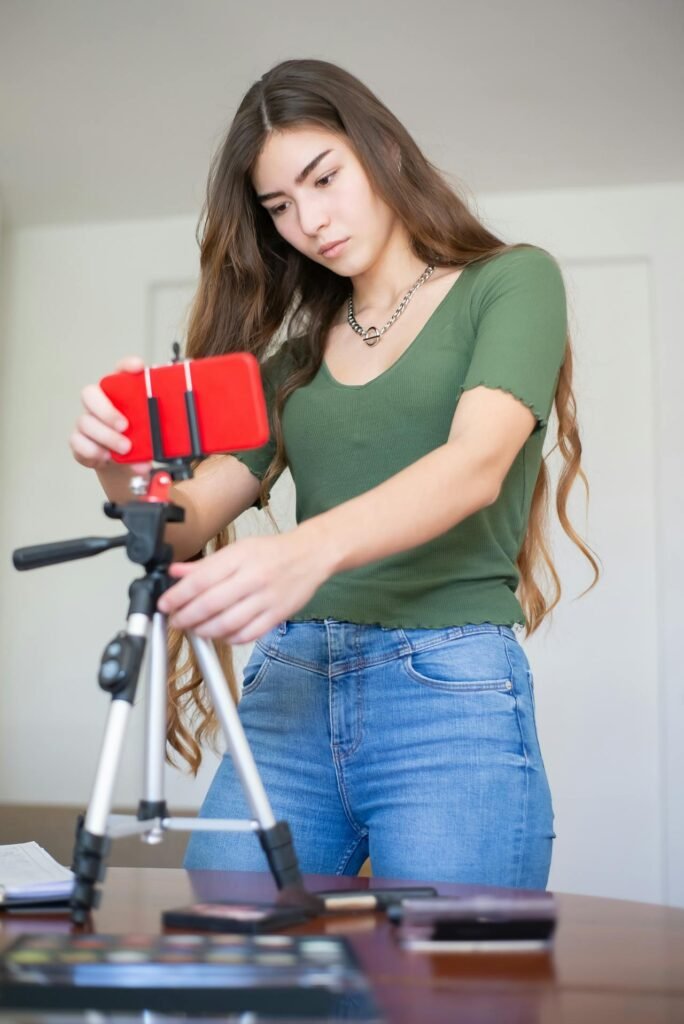
You Have Seconds to Grab someone’s Attention; Sometimes 1/1000 of a Second
Examples of Hooks:
“You Are Using This Wrong”
“No One Talks About This”
“Watch This Before You Buy”
Why It Is Important:
The First 2-3 Seconds Will Dictate If People Scroll Past or Stick Around.
Take Action:
Create Hook with Curiosity and/or Surprise
Use Bold Visuals or Statement Quickly
Avoid Slow Intros
9.Continued Consistency Builds Viral Likelihood
Virality is not a fluke occurrence; it is simply a numbers game.
Data Point:
Brands that maintain a regular posting schedule (i.e., posting every day rather than intermittently) have a higher probability of going viral because they test and create more content.
Case Study:
A business that produces and posts daily short-form videos grew slowly at first until creating one video that went viral and was able to draw attention to all of their prior posts.
Habit-forming Tip:
Make a content calendar
Test various content formats
Review performance and double your effort where you see success
10.Testing By Analyzing Data for Iteration

To go viral is a one-time occurrence; however, to recreate that experience again and again takes strategic planning on behalf of the brand.
Metrics to Analyze:
Shares
Watch time
Engagement rate (like + comment / total views)
Save
Case Study:
If educational posts are receiving fewer shares than humorous posts, then you should reconsider your strategy going forward.
Habit-forming Tip:
Review your analytics at least once per week
Look for patterns with your top performing posts
Constantly improve based on what you learn
Conclusion: The Process of Building Virality is Intentional, Not Chance
As there are no guaranteed formulas for creating virality, the most successful companies follow the same 5 principles of creating an emotional connection with the audience, creating relatable experiences for their audience, ensuring content is distributed at the correct time, creating content that is authentic to them and encouraging their audience to engage.
So, the takeaway?
Stop trying to create virality by creating content that your followers want to engage with; instead, create and share content your followers can connect with regardless of whether it goes viral.
Call to Action
Want to create the next great viral campaign?
Get started now:
Review the last ten posts you made—what was effective? why was it effective?
Find one emotional aspect of your brand that you haven’t explored yet.
This week, produce one simple, relatable piece of content.
Keep track of your results so that you can improve your approach for the next time.
Viral successes are based on building momentum rather than chance. By intentionally building viral momentum for your brand, you will not only enjoy one viral success but multiple viral successes.