

Decentralized Influencer Campaigns: The Future of Brand Collaboration

introduction
The traditional way of doing influencer marketing was easy: companies gave money to creators, creators posted content to promote it, and hopefully, consumers would purchase that product. But this is changing rapidly. Trust is hard to build; consumers are savvy; and the creator marketplace is wanting more control of how their work is monetised. This is where decentralised initiatives will change the paradigm for how brands work with creators.
To visualise how this could change, you can think about going from a gated city to a free-flowing market with no one gatekeeper; there are no secret rules for engaging with one another. Everything is being done openly with technology and through cooperation with each other.
Now let’s break all of this down into basic common language.
What Are Decentralized Influencer Campaigns? Simple Definition
Decentralized influencer marketing campaigns are simply put, celebrity marketing campaigns that use decentralized, distributed systems — commonly, blockchains, smart contracts, and tokenized incentives — instead of third-party agencies/platforms/companies to select influencers, track performance, make payments, and govern the whole process.
In other words, decentralized influencer marketing campaigns greatly reduce the number of intermediaries, provide greater transparency, and enable consumers to “trust” each other and the brand through automation via the use of Smart Contracts.
Decentralized influencer marketing campaigns differ from traditional influencer marketing campaigns because traditional influencer marketing campaigns require agencies or other third-party platforms/companies to:
Select influencers;
Track their performance;
Make payments;
Verify their performance;
In contrast, decentralized influencer marketing campaigns utilize an open system for:
Data verification;
Automated payment processes;
Community voting;
Codified rules and regulations.
No smoke. No mirrors.
The Loss of Trust in Influencer Marketing Due to Traditional Influencer Marketing Models
There are problems with Centralized Control
When there is one network provider controlling all the data from the different streams/channels then the provider can control metrics by misreporting, editing and only showing selective metrics. Brands must now “trust the dashboard” giving brands no alternatives to verify success or failure. This is so dangerous!!
Fake Followers and Engagement Fraud
The bottom line is that fake followers and bot activity exist. Brands spend thousands and get a ghost audience; to have an audience that is nothing more than a cardboard cutout to your stadium.
The Lack of Transparency
Brands generally do not see:
how much engagement was real?
how many people actually converted?
who owns the audience
Decentralization solves all of those issues and provides Brands with the solution to all their problems.
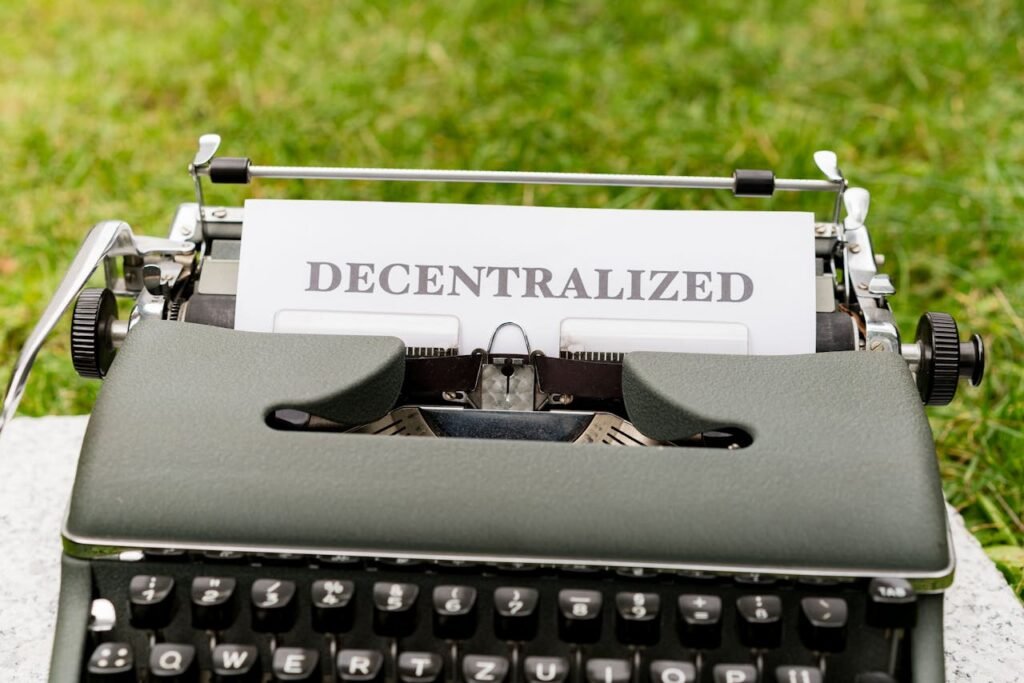
The Transformation of Influencer Marketing by Decentralization
Distributed Networks for Campaign Record Keeping
Instead of having one company hold on to all of the data from campaigns, it is possible for a Distributed Network to record all campaigns across many nodes. By doing this, all data contained within the campaign is tamper-resistant.
Community-led Campaigning
Communities have the ability to help in choosing Influencers, approving campaigns and voting on creative direction for campaigns. This makes it so that marketing will take place in a participatory manner, instead of a Top Down manner.
Smart Contracts Automation
Smart Contracts will automate the following things:
Pay out automatically.
Verify milestones.
Trigger rewards for Influencers immediately upon completion of the above.
No more chasing invoices down for Brands. No more waiting on payments for Influencers.
Technology fundamentals for decentralized influencer marketing campaigns:
Blockchain – A public ledger where every campaign action can be logged and validated.
Smart contracts – Self-executing contracts that define rules and automatically trigger when the predetermined conditions are satisfied. “When any given post garners X verified engagements, a payment will be sent automatically” – no negotiation required.
Token systems – Digital tokens are used to reward digital activity in four ways: paying out, bonuses, giving voting rights to token holders, and/or encouraging community involvement.
Decentralized Autonomous Organizations (DAOs) allow communities to make decisions about how to run a campaign using a token-based voting system. It’s like having marketing committee members having a meeting from their home office, instead of in a boardroom. !
The advantages provided to brands
Essentially Better Transparency
Each metric is verifiable. There are no hidden math operations and therefore no inflated report values.
More Effective Options for Tracking Your ROI
Tracking activities on-chain gives brands proof of:
Engagement
Validating Clicks
Converting Actions
Less Fraud
Fraudulent activity is exposed by the use of open, automated verification systems when trying to detect non-existent engagement.
Gaining Access to the Entire World
The use of crypto-based payment methods allows brands and companies to work with influencers around the globe who accept payment without any barriers or payments being delayed.
Advantages Provided to Influencers:
Receiving Fair Compensation
Smart contracts allow influencers/creators receive their payments immediately upon achieving their metrics.
No longer:
“The team who manages Accounting will process the payment in their next cycle”.
Complete Ownership of Your Own Audience
Web3 influencers/creators are the actual owners of the audiences they build through their wallets and communities.
Establish Relationships Directly With Brands
Influencers/Creators have the ability to build relationships directly with the brands, thereby, eliminating the middle person from taking substantial cuts from those relationships.
Importance of Trust and Authenticity for Audiences and Communities

When sponsorship is tracked in a transparent way, it increases the audience’s trust.
Incentives to Participate
Fans have several ways of earning tokens:
By sharing content
By participating in different campaigns
By voting for different brand collaborations.
Today, the audience doesn’t just watch, but actually participates as well.
Ways in which Decentralised Influencer Campaigns work
Realising Campaign goals
Mentors setup campaign parameters within a smart contract:
What the final product will look like
How much data is sent to measure success
Any rewards associated with having been successful to meet campaign objective(s).
Mentor Selection
Mentors apply to be part of these campaigns or a community member or mentor holder can vote for the right mentor to be involved.
Measuring Results
Metrics generated from the work done by mentors will be correctly identified using decentralised (or hybrid) oracles or metric generation software.
Automatic payment of performers
Whenever the defined metrics are satisfied, way will happen within the smart contract to automatically pay the mentors involved. Therefore, there are no delays.
okenized Incentive Models Explained
Reward Tokens
Used to pay creators and reward audience engagement.
Governance Tokens
Allow holders to vote on:
- Campaign direction
- Influencer selection
- Budget allocation
Utility vs Speculative Tokens
Utility tokens = used in ecosystem
Speculative tokens = traded for value
Smart campaigns focus on utility first.
Role of DAOs in Influencer Campaigns
Community Voting
DAOs can vote on:
- Which influencers to hire
- What message to promote
- Which creatives to approve
Campaign Governance
Budgets and milestones can be DAO-controlled, reducing brand risk and increasing buy-in.
Current Real-World Examples
Web3 Brand Collaborations
Blockchain and cryptocurrency brands are running fully on-chain influencer marketing campaigns.
Creator Ecosystems
Creators are now getting paid using tokens instead of being compensated through ad revenue.
Integration of NFT Campaigns
Influencers are promoting new NFTs and being rewarded with programmable shares of royalties.
Key Challenges and Barriers
Technical Limitations
Wallets, tokens, and smart contracts can be intimidating to users who are unfamiliar with them.
Regulatory Concerns
There are regulatory changes happening with respect to payments and rewards in crypto.
Adoption Curve
When compared to tech-native companies, mainstream brands tend to take longer to adopt.
Brands Can Begin Decentralized Influencer Marketing Campaigns
Select Your Platform
Decide whether you will run your campaign on a dedicated Web3 platform or use hybrid tools that allow for on-chain tracking.
Configure Your Smart Contract
Ensure the rules of your campaign have been defined clearly, and test your contracts before launching.
Build Your Community First
Creating a community around your brand needs to be done in conjunction with launching a campaign. Decentralization is based on the idea of having many participants.
Fundamentals of a Successful Decentralized Influencer Marketing Campaign
Transparency Is Key
Going forward, it is critical that the rules of campaigns be made public.
Alignment of Incentives
Make sure that all parties (influencer, audience, and brand) benefit from the campaign.
Build Lasting Relationships
View influencers as partners and not ad space.
Decentralized Influencer Marketing Campaigns – The Future
AI and Web3
AI will assist in connecting brands with influencers within Web3 while blockchain will provide verification of results.
Creator owned and operated mini media empires built around tokens and communities will be the norm.
Middlemen will decrease, and the direct value of campaigns will increase.
Conclusion
Decentralised Influence Campaigns (DICs) can be better thought of as a Trust Upgrade than a Technology Upgrade. DIC replaces Opacity with Transparency, Delays with Automation and Gatekeepers with Communities. Providing Brands with a Clearer Return on Investment (ROI), providing Influencers with a Fairer Payment System and providing Audiences with an Increased Level of Authentic Engagement.
This has become like changing the Marketing Industry from a Black Box to a Glass Building. Everybody Is Able To See How It Works and That’s Why It Is More Effective Than Before!
1. What do you think matters more in influencer marketing today — audience size or transparency and verified engagement?
2. Would you trust a brand more if its influencer campaigns were fully transparent and tracked on a decentralized system? Why or why not?
3. If you were an influencer, would you prefer automatic smart-contract payments over traditional brand deals with agencies? What would influence your choice?