
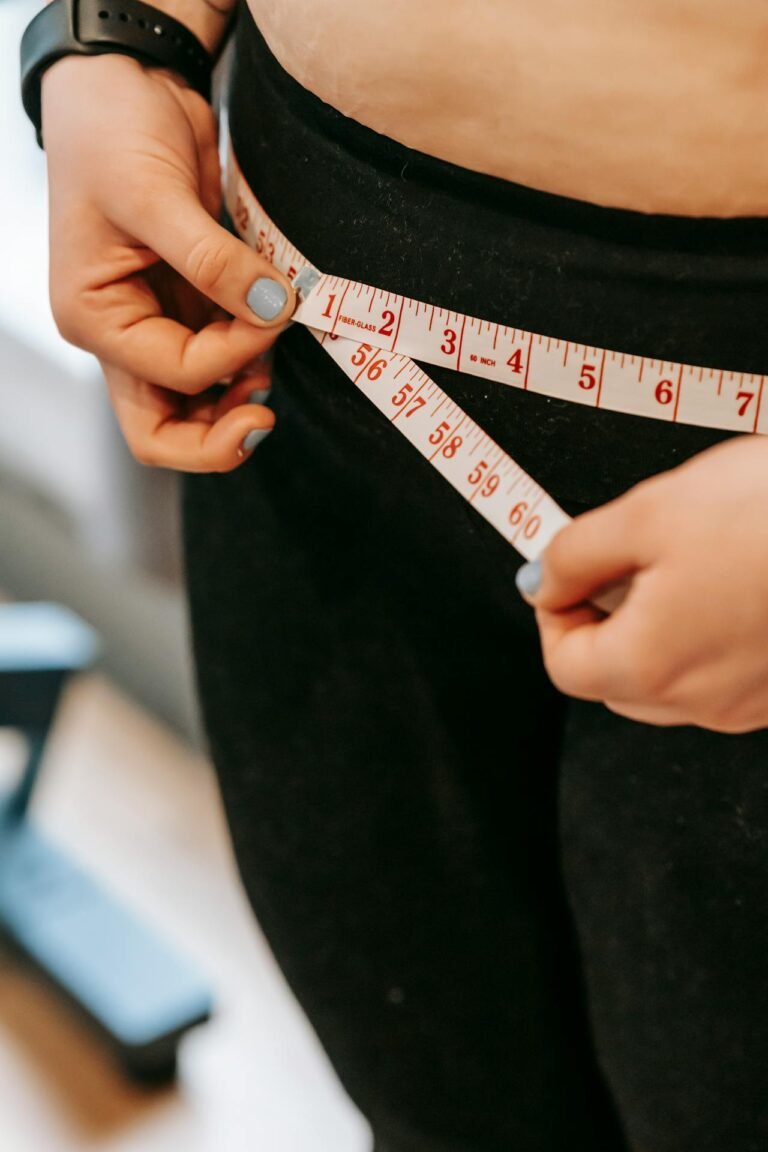
Why protein is key for weight loss

Article 1: The Power of Calorie Deficit
Weight loss begins with a simple concept: consuming fewer calories than your body burns. This is known as a calorie deficit. Whether you choose to cut calories, increase activity, or both, maintaining a small, consistent deficit over time leads to sustainable fat loss. Avoid extreme diets — slow, steady progress is healthier and easier to maintain.
Article 2: Why Protein Is Key for Weight Loss
Protein helps you feel full longer, reduces cravings, and supports muscle maintenance during fat loss. Include lean protein sources like chicken, fish, eggs, beans, and tofu in every meal. Aim for about 1.2–2.0 grams of protein per kilogram of body weight daily for optimal results.
Article 3: The Role of Sleep in Fat Loss
Lack of sleep can sabotage weight loss. When you’re tired, your body produces more ghrelin (hunger hormone) and less leptin (satiety hormone), leading to overeating. Strive for 7–9 hours of quality sleep nightly to support metabolism and energy levels.
Article 4: Hydration and Weight Loss
Drinking enough water boosts metabolism and can help control appetite. Sometimes, thirst is mistaken for hunger. Start your day with a glass of water, and drink before meals to prevent overeating. Herbal teas and infused water can make hydration enjoyable.
Article 5: The Importance of Strength Training
Many people focus only on cardio, but strength training is equally important for fat loss. It helps build muscle, which increases your resting metabolism — meaning you burn more calories even at rest. Include resistance exercises 2–4 times per week.
Article 6: Mindful Eating Habits
Mindful eating means paying full attention to your food — savoring each bite, eating slowly, and listening to your body’s hunger cues. Avoid distractions like TV or phones while eating. This practice helps prevent overeating and improves digestion.
Article 7: The Truth About Crash Diets
Crash diets promise fast results but often lead to muscle loss, fatigue, and rebound weight gain. Instead, aim for a moderate calorie reduction and balanced nutrition. Sustainable habits always beat quick fixes when it comes to long-term success.
Article 8: Managing Stress for Weight Control
Chronic stress triggers the hormone cortisol, which can increase fat storage — especially around the belly. Manage stress with exercise, meditation, or hobbies. A calm mind supports better food choices and overall health.
Article 9: How to Stay Consistent
Consistency is the secret to lasting results. Set realistic goals, track progress, and celebrate small victories. Even small daily actions — a short walk, a healthy snack, or drinking more water — add up over time. Remember, perfection isn’t required; persistence is.
Article 10: The Role of Gut Health in Weight Loss
A healthy gut microbiome supports better digestion, metabolism, and fat regulation. Eat plenty of fiber-rich foods like fruits, vegetables, and whole grains, and include probiotics such as yogurt or fermented foods to keep your gut bacteria balanced.



I like it
It’s amazing and l like it