
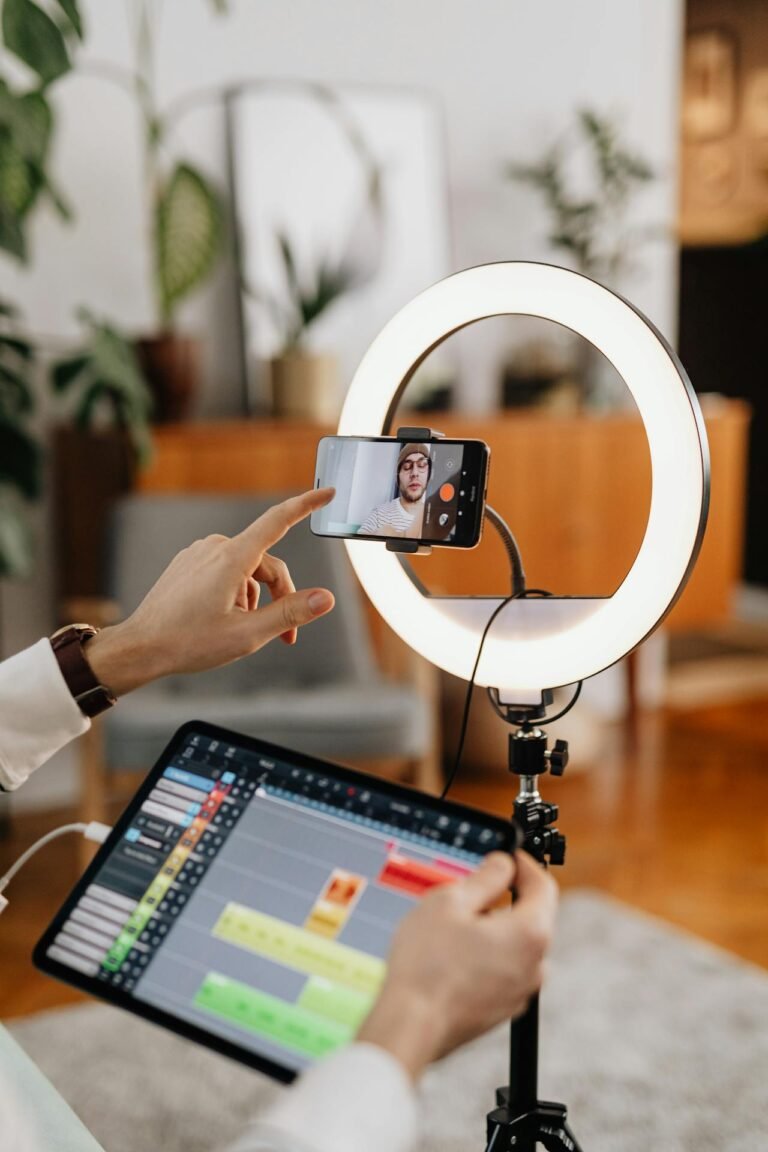
Social Commerce & Influencer Marketing: The Future of Digital Engagement and Revenue Growth

Introduction
The digital landscape is evolving faster than ever before. While e-commerce once dominated the conversation around online sales, a new trend has taken center stage and redefined how consumers discover and purchase products: social commerce. At the same time, influencer marketing has matured from a buzzworthy tactic into a central pillar of modern marketing strategies.
Today’s consumers no longer browse in isolation — they shop while scrolling, engage with products through creators they trust, and make purchasing decisions inspired by short-form content, livestreams, and community-driven recommendations. For brands and marketers, the convergence of social commerce and influencer marketing is not simply a shift in platforms — it’s a revolution in customer behavior, brand engagement, and purchasing psychology.
In this expanded guide, we dive deep into the data, real-world examples, expert insights, and step-by-step strategies that marketers need to leverage the full potential of this powerful pairing. Whether you’re running a lean marketing operation or managing large-scale campaigns, this article will equip you with actionable tools to succeed in the social commerce era.
1. Understanding Social Commerce: Why It Matters Now
Social commerce is more than integrating “shop now” links into social feeds; it’s the new digital storefront.
Instead of navigating to a separate website, customers can now explore products, watch demonstrations, read reviews, and complete purchases without leaving the platform. This seamless journey eliminates friction and aligns perfectly with modern attention spans — consumers want convenience, speed, and trust.
Why social commerce is exploding
1. Consumers trust creators more than brands
Users want authenticity. They want to see how a product works in real life, not in a perfectly staged commercial. Influencers and everyday creators provide social proof that trhttps://kaltumnet.com/wp-content/uploads/2024/12/multiethnic-team-using-green-screen-tablet-to-over-MVKF9J9.jpgional advertising struggles to replicate.
2. In-app checkout reduces drop-offs
Every extra click increases the likelihood of losing the sale. With in-app checkout, the purchasing flow happens instantly — just one tap from interest to order.
3. Short-form content fuels product discovery
TikTok, Instagram Reels, and YouTube Shorts have become the new search engines for Gen Z and Millennials. A single viral video can drive thousands of sales in hours.
4. Recommendation algorithms accelerate visibility
Platforms reward engaging content. Shoppable videos often get pushed to larger audiences because they keep users on the app longer.
Key benefits for marketers
- A shorter customer journey, collapsing awareness → decision → purchase into minutes.
- Higher conversion rates compared to trhttps://kaltumnet.com/wp-content/uploads/2024/12/multiethnic-team-using-green-screen-tablet-to-over-MVKF9J9.jpgional e-commerce funnels.
- Deep targeting capabilities based on user behavior, interests, and browsing patterns.
- Scalable virality, thanks to UGC, video challenges, and creator trends.
Social commerce is no longer optional — it is becoming foundational for product-led brands, especially in fashion, beauty, home goods, lifestyle, and specialty niches.
2. Influencer Marketing: The Trust Engine Driving Social Commerce
If social commerce is the infrastructure, influencer marketing is the fuel powering the machine. Influencers help brands cut through the noise by delivering messages through a voice consumers already trust.
Why influencers work in 2025 and beyond
Authenticity over production value
Consumers crave real experiences. An unfiltered video shot with a phone often outperforms a polished ad because it feels relatable and honest.
Influencers understand platform culture
They know what goes viral, what sounds are trending, when to post, and how to tailor content to the platform’s algorithm.
Built-in trust and community
Influencers spend years cultivating an audience that values their opinions. When they recommend a product, it feels like a friend’s suggestion — not an advertisement.
Types of influencers & when to use them
1. Nano Influencers (<10k followers)
- Tight-knit communities
- High engagement rates
- Perfect for local brands, small budgets, and early-stage campaigns
2. Micro Influencers (10k–100k followers)
- Niche audiences
- Best cost-to-engagement ratio
- Popular in D2C, B2B micro-niches, and specialized product categories
3. Macro & Mega Influencers (100k–1M+)
- Massive reach
- Ideal for launches, brand-building, or viral campaigns
- Strong influence on mainstream culture
Expert Insight
Many marketing strategists emphasize that authenticity will outperform reach every time. Today’s algorithms also tend to reward the relatable over the glamorous — meaning micro and nano influencers can drive greater ROI than celebrity endorsements.
3. How Social Commerce & Influencer Marketing Work Together

The synergy between these two forces is what makes them so valuable. When creator-led content meets frictionless purchasing, conversions skyrocket.
How they complement each other
| Social Commerce | Influencer Marketing | Combined Impact |
|---|---|---|
| Enables seamless shopping | Builds trust and relatability | Instant, trust-driven purchases |
| Uses algorithms to promote engaging content | Creates the content those algorithms reward | Explosive visibility |
| Offers in-app checkout | Encourages impulse purchases | Fewer abandoned carts |
| Provides data | Drives engagement | Smarter targeting and long-term growth |
Practical Example
A skin care brand is launching a new vitamin C serum in partnership with:
50 micro-influencers on TikTok and Instagram
10 beauty YouTubers
3 estheticians to add credibility
These content creators:
Share their morning routine
Explain the ingredients in everyday language
Show visible results
Have an honest opinion about the product
Use shoppable links in their captions and with product tags on-screen
The result:
5 million organic views
A link to the brand’s product page, which saw a 42% increase in traffic
The add-to-cart rate increased 30%
The TikTok Shop had an 18% conversion rate of total readers
The brand had a 20% increase in repeat buyers in 60 days
The brand took this momentum and launched a subscription plan — they turned viral momentum to repeat revenue.
4.Actionable Tactics For Marketers
1.Develop a strategy around creator-led content
Let the creators take the lead, no one knows what their audience loves better than the creators themselves.
Stay away from:
Scripts, too fancy video shoots, staged content.
Do this:
Real reactions, personal stories, information like “follow me during my day!” style.
2.Use data to know who the right influencers
Beyond the follower number, actually look at:
The quality of engagement
Demographic of audience
Authenticity of content
The frequency of sponsored posts.
Conversion performance of previous campaigns.
Be sure to read every comment: if followers trust the creator, they will tell you.
3.Use UGC at every stage of the customer journey
User generated content creates trust at every touchpoint.
Use content from the influencers in:
Landing pages
- Paid ads
- Email campaigns
- Retargeting flows
- Out of stock reminders
- Product detail pages
UGC performs especially well in retargeting campaigns because it feels like a peer-to-peer recommendation.
. Leverage All Available In-App Shopping Tools
Enable:
- Instagram Shopping
- Facebook Shop
- TikTok Shop
- Pinterest Product Pins
- YouTube Shopping integration
Use:
- Livestream shopping
- In-video product tagging
- Shop tabs
- Creator storefronts
Every added shoppable feature boosts discoverability.
5. Invest in Always-On Partnerships
Brands should shift from one-time influencer posts to long-term collaborations.
Consistent exposure:
- Builds credibility
- Strengthens brand recall
- Produces more authentic content
- Helps creators speak genuinely about the brand
Think of influencers as brand ambassadors, not one-off advertising slots.
6. Combine Organic Creator Content with Paid Ads
This strategy is known as creator licensing or whitelisting.
Benefits:
- Better ad performance
- Lower cost per click
- Higher conversion rates
- Higher watch time
- More relatable ads
Creator faces significantly outperform brand-only ads in nearly every vertical.
5. Case Studies: Brands Leading the Social Commerce Revolution

Case Study 1: Fashion Brand Dominates TikTok
A small lifestyle fashion brand sent product samples to 30 micro-influencers. They encouraged creators to style outfits and participate in trending challenges.
Results within 14 days:
- 12,000 units sold
- 3 videos hit 1M+ views
- 73% of orders completed via in-app checkout
- 40% reduction in customer acquisition costs
Case Study 2: Beauty Brand Leverages UGC for Ads
A cosmetics company turned organic influencer videos into TikTok Spark Ads and Meta UGC ads.
Results:
- ROAS increased 60%
- Ad costs dropped significantly
- Spark Ads became the top-performing creative type
- 2.5× more engagement compared to brand-made assets
Case Study 3: Home Goods Brand on Instagram Shopping
Through shoppable posts and stories:
- Monthly revenue rose 25%
- Product saves increased 40%
- Instagram became their #1 discovery platform
The brand implemented influencer storefronts and reels with tagged products, resulting in major boosts in reach and conversions.
6. Expert Opinions: What Marketers Need to Know
Marketing analysts and digital strategists emphasize three major shifts:
Shift 1: The Creator Economy Is Becoming a Marketplace
Creators are not just content makers — they are sellers, reviewers, and opinion leaders who influence purchasing decisions at scale.
Shift 2: Platforms Prioritize Shoppable Content
Algorithms are increasingly favoring content that:
- Retains users
- Drives engagement
- Supports in-app transactions
Shift 3: Authenticity Outperforms Perfection
Consumers prefer:
- Realistic videos
- Honest reviews
- Day-in-the-life formats
- Imperfect aesthetic
The era of glossy, overproduced ads is fading.
Conclusion: Social Commerce + Influencer Marketing = The New Growth Engine
Social commerce and influencer marketing have become two of the most powerful forces shaping the future of digital marketing. Brands that embrace creator-driven storytelling, frictionless in-app shopping, and community-based trust will outperform competitors relying on outdated strategies.
The opportunities are massive — from increased conversion rates and algorithm-boosted visibility to long-term customer loyalty driven by relatable, authentic content.
Call to Action
If you want to get ahead in the new marketing era, start today:
- Identify 5–10 micro-influencers aligned with your audience.
- Launch a creator-led campaign with in-app shopping enabled.
- Repurpose UGC into high-performance ads.
- Build long-term partnerships with top-performing creators.
- Test shoppable content formats across TikTok, Instagram, and YouTube.