What Is Facebook Marketing The Complete Guide for Businesses and Creators

The Basics of Marketing on Facebook
Defining Marketing on Facebook
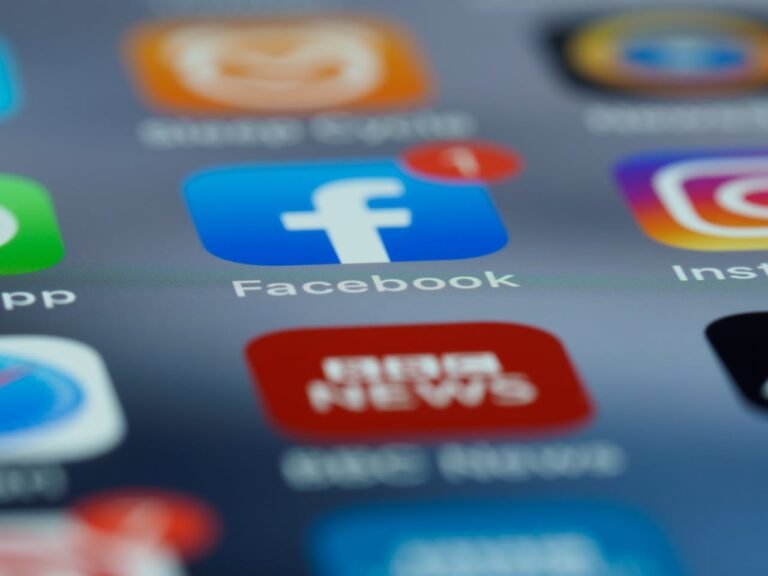
Marketing on Facebook is both an art and a science. It Involves utilizing the various tools that Facebook provides (i.e., Pages, Groups, Advertising, and all types of content) to help promote a brand or business, product or service, and/or identify some aspect of an individual person.
You can think of Facebook as a giant digital marketplace filled with countless conversations happening all at once. If your brand is not part of these conversations happening on Facebook, then you are missing out on potential customer engagement (which means lost revenue)
The Facebook Ecosystem
Facebook allows users to create profiles as individuals, or pages for their businesses. Facebook business pages offer businesses access to statistics that track their page activity, advertising options, and allow consumers to see that they are a legitimate company. Facebook business pages serve as the official location for businesses on Facebook.
Facebook Groups and Community Building
Groups provide an opportunity to interact with consumers on a personal basis, unlike Facebook Pages. These groups provide opportunities for building loyal communities, creating active discussions, and establishing oneself as an expert on a particular topic.
Facebook Marketplace
Facebook Marketplace serves as a comprehensive site for buying and selling items. The marketplace represents a tremendous opportunity for local businesses and resellers to sell products.
Advantages of Facebook Marketing
Massive Audience
Billions of people log into Facebook regularly, regardless of the niche that they operate in. Your audience is already using Facebook actively—browsing, liking things, and sharing content.
Advanced Targeting
Facebook has an extensive database about all of its users; therefore Facebook allows businesses to target specific users based on their interest, behavior, and demographics, using laser-like accuracy as opposed to a shotgun approach.
Cost-Effective Ad Placement
Facebook advertising is generally much cheaper than other forms of trhttps://kaltumnet.com/wp-content/uploads/2024/12/multiethnic-team-using-green-screen-tablet-to-over-MVKF9J9.jpgional advertising, such as television and print ads, and are capable of generating tremendous returns for small advertising budgets when used correctly.
How Do I Create a Facebook Marketing Plan?

Define your objectives
What do you hope to accomplish with your Facebook page? More traffic to your website? More leads? More sales? The objectives serve as a guide for you to achieve your desired results. Without specific objectives, you will simply be posting for fun.
Identify your target audience
Creating an audience persona (or multiple personas) will help you understand who your ideal customers are. Think about their age, interests, problems, and desires. The clearer you know these things, the easier everything will become in terms of marketing to them.
Optimize Your Facebook Business Page
Choosing the correct category for your business is very important. The right category will not only help Facebook understand what type of business it is, but it will also have an impact on how visible the page is in search results.
Creating a High Conversion Bio Writing your Bio should only really have one reason for being there… to answer the question: “Why should I care?”. Keep it short, simple, benefit focused and personalised.
Visual Brand Essentials. Follow the same guidelines as above; keep your cover photo, Profile picture and Post a similar style. Think about it in the same way you would dress yourself when meeting someone for the first time. You want an impression that is positive.
A Content Plan for Facebook What Type of Content Work
Video. Facebook is primarily Video. Short engaging Videos will attract viewers quicker than text alone. Live Videos build trust with users through authenticity.
Image/Carousel. Visually appealing Images will halt a Scrolling User while a Carousel provides a great way to tell a story and showcase several Products or Services.
Text – Storytelling. Don’t underestimate how powerful Words can be in creating an emotional connection with Users. Emotion drives Action.
Facebook Algorithm

Understanding the Algorithm – The Algorithm now places more emphasis on Posts that generate interaction with others such as comments, shares and messages to what you post and less emphasis on simply liking the post.
Ways of Beating the Algorithm
Post frequently, answer questions, ask questions and make shareable content. Think of Facebook like talking with people, not like a billboard.
Understanding the Basics of Facebook Advertising
The Different Types of Facebook Ads
Image Ads
Straightforward, clean, and simple. Great for new advertisers.
Video Ads
Great for storytelling and product demonstrations.
Carousel Ads
A single advertisement containing several pictures/video snippets. Excellent for highlighting product/feature collections.
More Advanced Facebook Ads Strategy
Retargeting Ads
Have you ever checked out a website and then been shown advertisements about it multiple times? Retargeting uses warm traffic.
Look-Alike Audience
Facebook can create look-alike audiences for you based on your current customers. Essentially cloning your most active , engaged customers.
How to Scale Facebook Ads That Are Successful
After you create an ad that generates results, don’t rush into scaling up spending — do it gradually, as to not damage the ad’s performance.
Using Facebook Analytics and Insights to Measure your Results
The Different Metrics To Review
Reach, interactions, CTR, and conversions. The numbers tell a story — learn what they say.
Improving your Performance through Analysis

Identify your successful patterns and eliminate the unsuccessful ones while continuing the process of improvement. As a small business owner, marketing is a long-term process, not a quick turn-around.
Facebook Marketing for Small Businesses
Cost-Effective Methods (Organic, Groups & Local)
Organic marketing, Facebook groups and local targeting yield good results with very little investment in advertising costs.
Local Expansion (Business)
For local businesses, Facebook offers a large online audience and the ability to generate foot traffic through positive reviews, check-ins with friends and local advertising.
Facebook Marketing for E-commerce
A Facebook Shop provides a seamless shopping experience for potential customers. Eliminate obstacles to successful selling.
Measuring Success (Conversion Tracking)
The use of a ‘conversion tracking pixel’ allows you to track success and improve your campaign.
Common Errors in Facebook Marketing
Posting More Does Not Equate to Quality
In most cases, the quality of your posts is more important than the number of posts.
Disregarding Engagement
Timely responses to user comments promote user trust. Lack of response will erode user confidence.
Major Trends in Facebook Marketing
Use of Automation and AI
Automation and the use of Artificial Intelligence will change the future of Facebook marketing, resulting in smarter ads with less uncertainty about what will produce actions by the desired audience.
Video as Primary Marketing Strategy
Short videos and live videos will dominate Facebook in the coming years. Either use short videos or live videos or lose out on marketing your product.
Conclusion
Facebook marketing is not about exploiting the platform; it’s about understanding your audience. Using a combination of strategy, invention, and diligence, Facebook transforms from a social media platform to a means of acceleration to growth. Mastering Facebook marketing can provide small businesses, entrepreneurs, and brands with substantial avenues for growth.
Frequently Asked Questions (FAQs)
1. Is Facebook marketing free?
Yes, organic marketing is free, but ads require a budget.
2. How often should I post on Facebook?
3–5 times per week is ideal for most businesses.
3. Are Facebook ads worth it?
Absolutely, when targeted and optimized correctly.
4. Can small businesses succeed on Facebook?
Yes, Facebook is one of the best platforms for small businesses.
5. What content performs best on Facebook?
Video, storytelling posts, and interactive content perform best.